ATL and BTL Marketing: How to Use Both for Better Results
Discover what ATL and BTL marketing mean, how they differ, and why combining both strategies helps brands build awareness and drive real customer engagement.
Marketing has taken a 360 degree turn over the years. Businesses alongside TV commercials, billboards, and newspaper ads reach customers. Today, brands want direct engagement, stronger customer connections, and marketing campaigns that create real experiences.
This shift is one of the main reasons why BTL marketing has become increasingly popular among modern businesses. Brands want marketing strategies that feel more personal, interactive, and measurable compared to traditional mass advertising.
At the same time, traditional advertising still plays an important role in creating large-scale brand awareness. This is where the discussion around ATL marketing and BTL marketing becomes important for businesses planning their campaigns.
Many businesses often ask: What is ATL and BTL marketing? Which approach works better? And how should brands use them together for maximum results?
The answer depends on business goals, audience targeting, budget, and the type of customer experience a brand wants to create.
In this blog, explore the difference between ATL and BTL marketing, how brand activation works, and which approach delivers better results in today’s competitive market. .
The Marketing Split Every Brand Needs to Understand
“Marketing is no longer about the stuff that you make, but about the stories you tell.”
Seth Godin
Understanding ATL and BTL Marketing
Before comparing both approaches, it’s important to understand what is ATL and BTL marketing. ATL marketing stands for “Above The Line” marketing.
It focuses on mass advertising channels designed to reach a large audience. This includes:
- Television commercials
- Radio advertisements
- Newspaper ads
- Billboards
- Magazine advertising
The goal of ATL marketing is usually brand awareness and visibility on a large scale. Businesses use it when they want to reach broad audiences quickly.
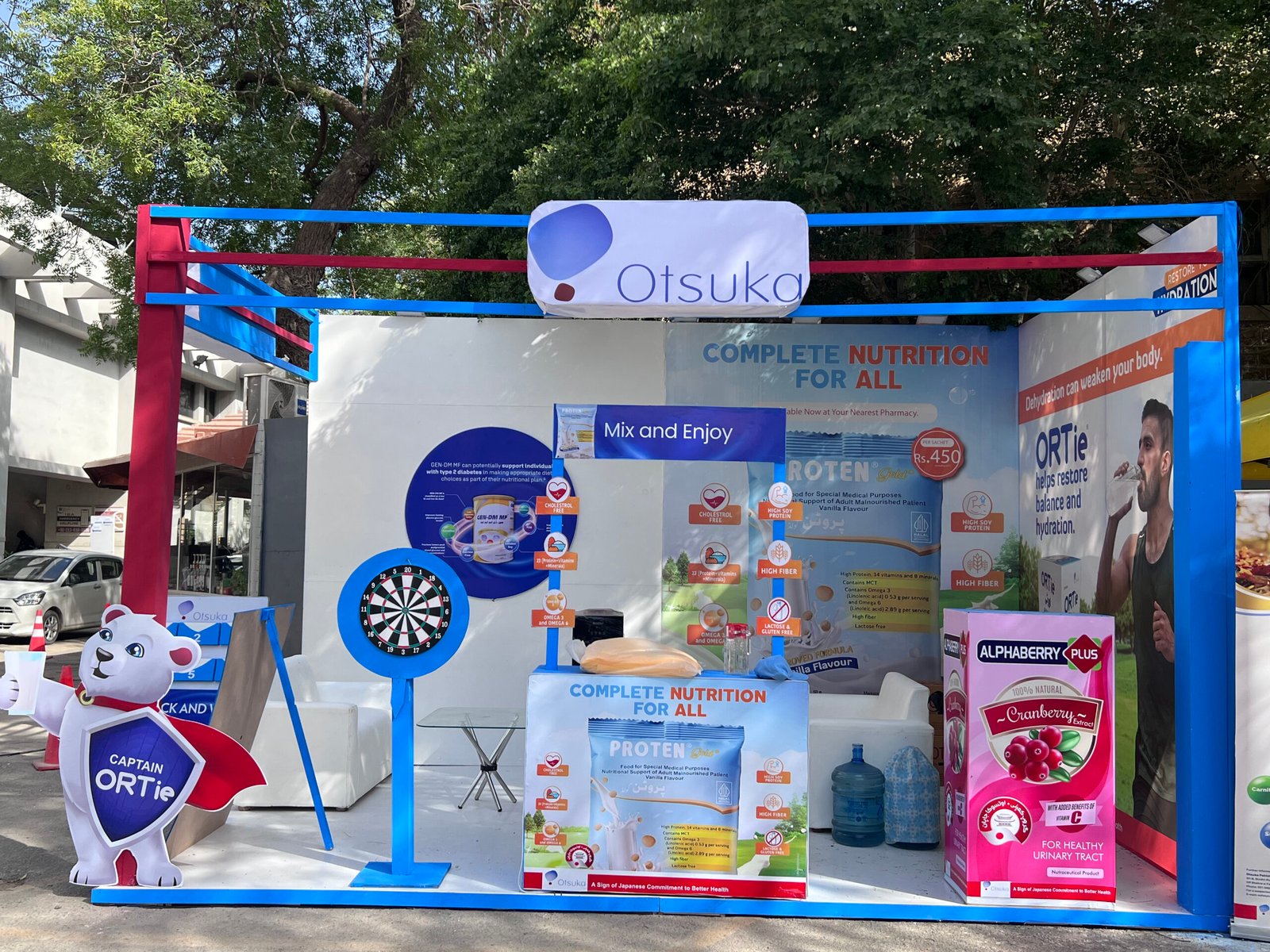
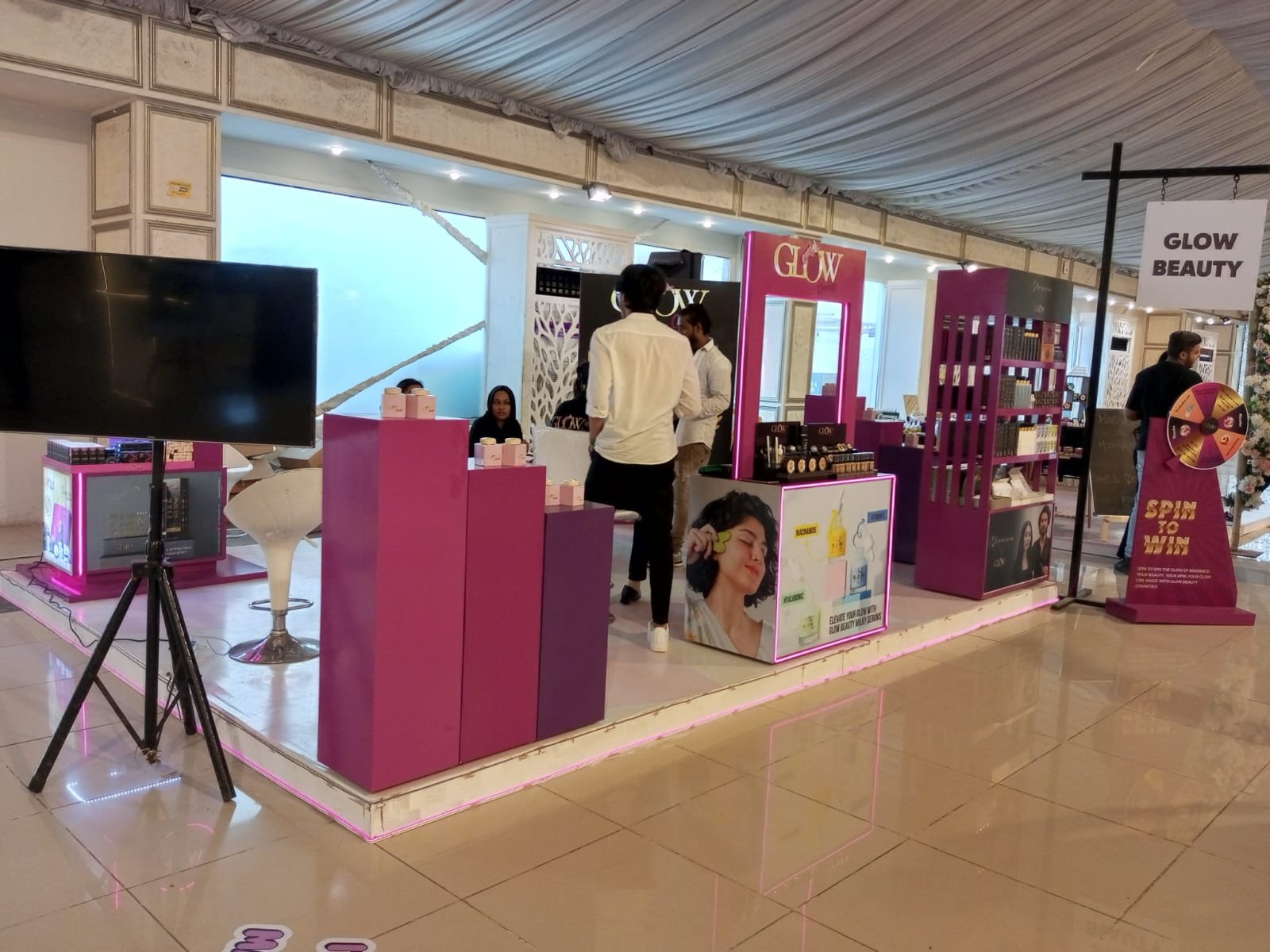
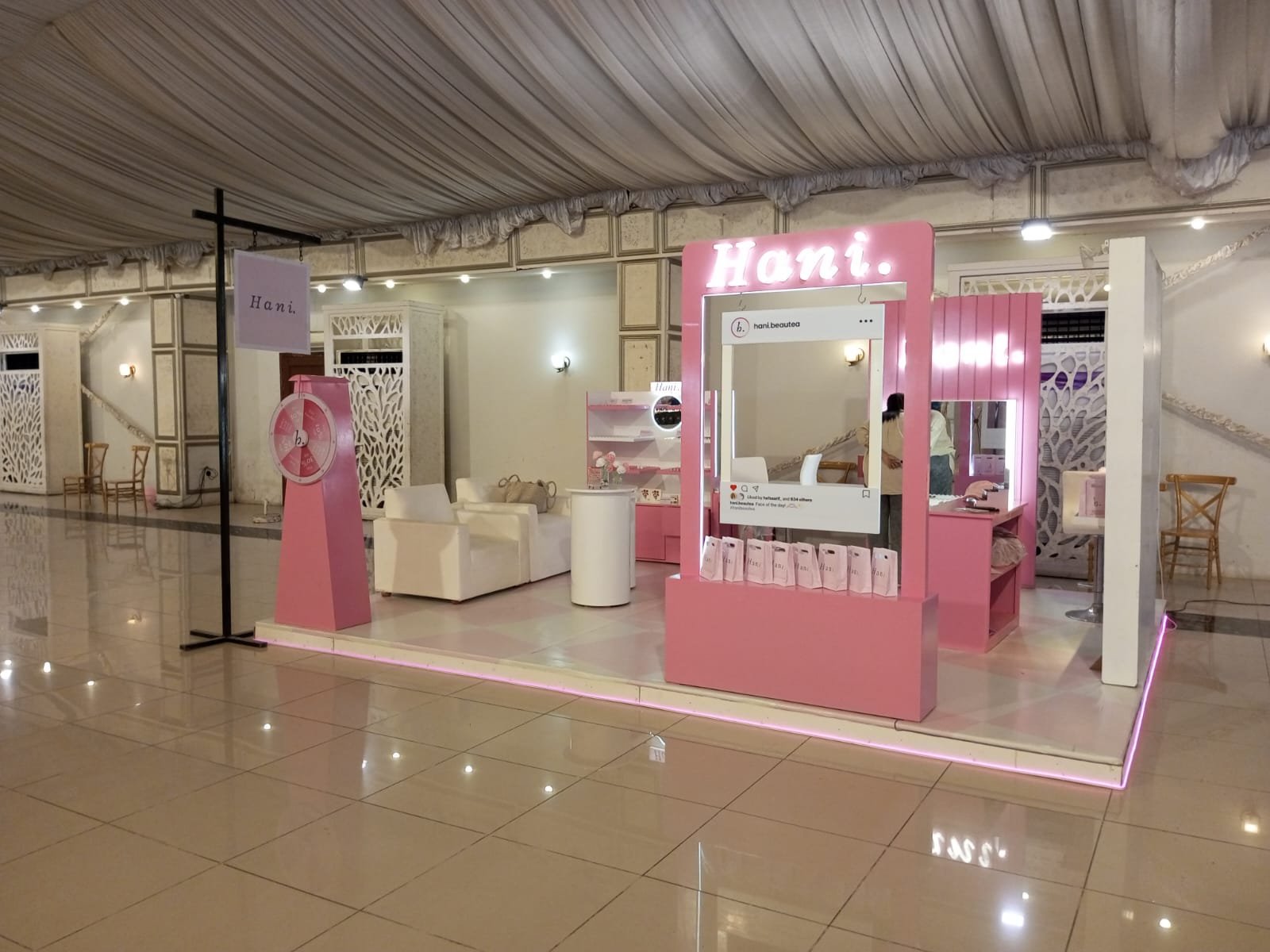
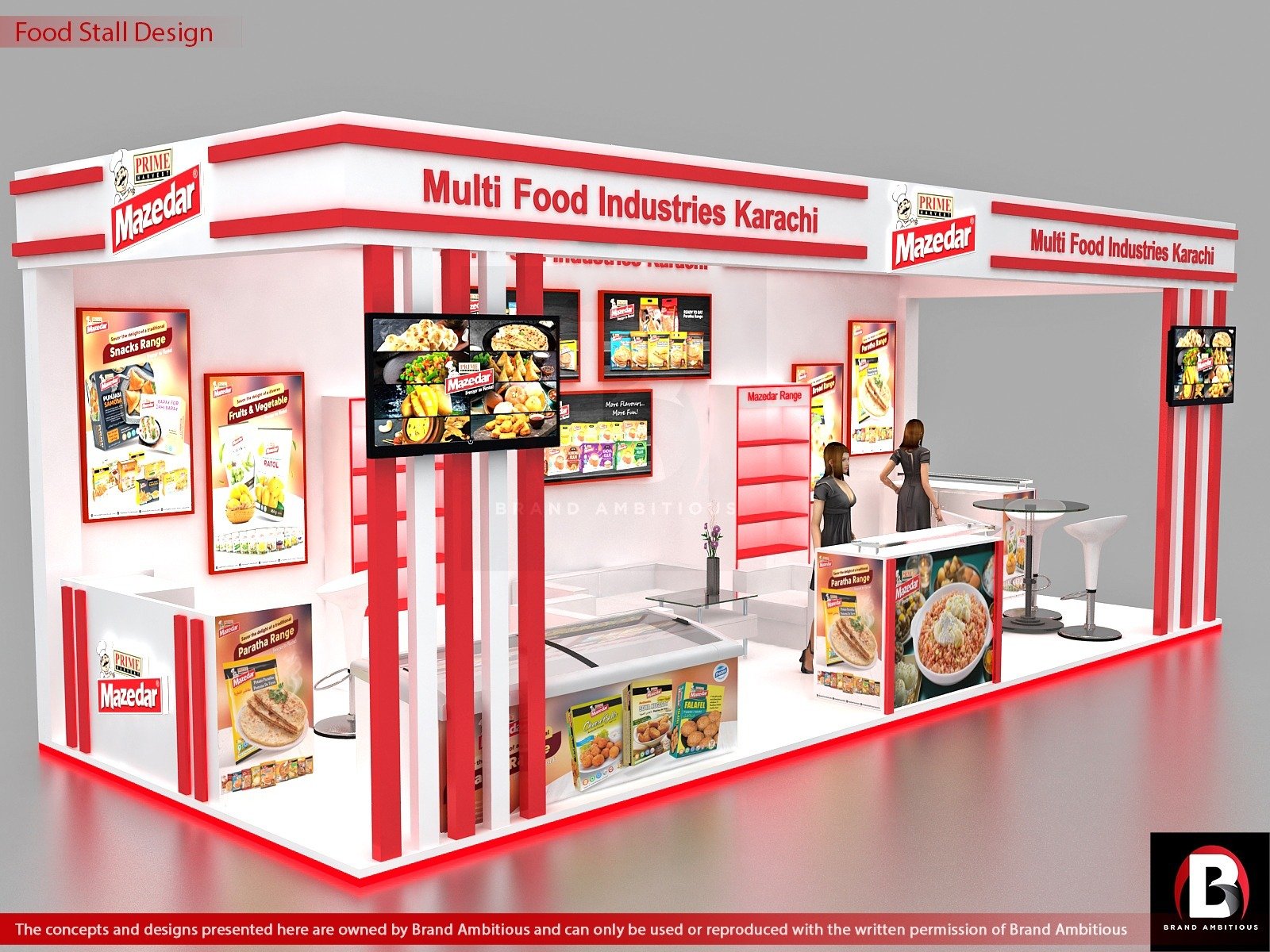
On the other hand, BTL marketing stands for “Below The Line” marketing. BTL marketing is highly targeted, precise, and interactive. Instead of broadcasting a message to millions of random people, BTL focuses on direct, one-on-one relationships with a specific group of ideal customers. It isn’t just about getting people to see your brand; it is about getting them to experience it through a physical brand activation.
Examples of BTL marketing include:
- Product sampling
- In-store activations Experiential marketing campaigns
- Event marketing
- Brand activation activities
- Promotional booths and roadshows
Unlike traditional advertising, BTL campaigns give customers a chance to personally engage with the brand.
Traditional Advertising Creates Awareness
There’s no doubt that traditional advertising still has value, especially for large brands targeting mass audiences.
A television campaign or billboard advertisement can help businesses quickly increase visibility and create strong market presence. This is why many global brands still invest heavily in ATL marketing campaigns.
Traditional advertising works especially well for:
- Large product launches
- Nationwide campaigns
- Building mass brand recognition
- Reaching broad audiences quickly
The biggest strength of ATL campaigns is reach. A single television advertisement can reach millions of people within a short period of time.
However, the challenge with traditional advertising is that communication is usually one-sided. Customers see the advertisement, but they don’t directly interact with the brand itself.
This is where BTL marketing creates a major advantage.
Why BTL Marketing Feels More Effective Today
Modern customers do not only observe an ad they also want to participate and have experiences. They are more likely to connect with brands that offer interaction and involvement, as well as help them create lasting memories.
This is one of the biggest reasons why businesses are increasingly investing in BTL marketing and brand activation campaigns.
Instead of simply showing an advertisement, BTL activities allow customers to experience the brand directly. Whether it’s a product trial, interactive booth, live experience, or event-based activation, customers become active participants rather than passive viewers.
This creates stronger emotional connections and often leads to better customer recall.
A strong marketing strategy today focuses not only on visibility but also on engagement, and BTL campaigns are designed specifically for that purpose.
Brand The Real Difference; Reach vs Connection
Here’s the honest truth about ATL and BTL marketing: it’s not really about which one is better. It’s about what you’re trying to achieve.
If your goal is to get your brand name in front of millions of people quickly, ATL can do that. But if your goal is to make people actually feel something about your brand, to create a moment they remember and talk about, that’s where BTL marketing becomes far more powerful.
Think about it this way. When you see a billboard, you notice it for a few seconds and move on. But when you walk into a brand activation and interact with a product, speak to a brand representative, and walk away with a positive experience, that stays with you. That’s the difference between passive awareness and active engagement.
For businesses in Pakistan, especially those targeting specific cities, industries, or customer segments, the direct, targeted nature of BTL marketing often delivers a far better return on investment than broad ATL campaigns.
BTL Marketing Offers Better Audience Targeting
Another major advantage of BTL marketing is precision targeting. Traditional advertising reaches large audiences, but not everyone watching the advertisement is a potential customer.
BTL campaigns focus on reaching the targeted audience directly. Businesses can focus on customers based on location, interests, behavior, or specific demographics. For example:
- A skincare brand may organize product sampling inside malls
- A tech company may host an interactive product experience event
- A beverage brand may create outdoor activation campaigns during sports events
This focused approach often produces better engagement and stronger conversion rates compared to broad advertising alone.
Why Businesses Combine ATL and BTL Marketing
The most effective campaigns today usually combine both strategies instead of choosing only one.
ATL and BTL marketing work best when used together as part of a complete marketing strategy.
ATL campaigns help create awareness, while BTL campaigns help build engagement and customer relationships.
For example, a business may launch a television campaign to create excitement around a new product and then follow it with a live brand activation campaign where customers can interact with the product directly.
This combination increases both visibility and customer engagement at the same time.
Businesses today are realizing that marketing is no longer just about reach it’s about creating experiences people remember.
Why BTL Marketing Is Growing Rapidly
There has been an increase in demand for BTL marketing due to shifts in customer behaviour. With consumers being bombarded with thousands of advertisements every day, traditional forms of advertising have become simple for them to ignore.
Interactive experiences stay in the memories.
This is why modern businesses increasingly work with a professional BTL marketing agency to create campaigns that feel more personal, engaging, and experience-driven.
The BTL Campaign provides a complete package of better opportunities for direct customer feedback, audience interaction and measurable engagement when compared with traditional
forms of advertising. As competition continues growing, businesses want marketing that creates stronger emotional impact rather than simply increasing visibility.
Why Businesses Choose Brand Ambitious
If you’re thinking about building a BTL strategy for your brand, the agency you work with makes all the difference.
Not every BTL marketing agency has the experience, the creative capability, and the execution strength to deliver campaigns that actually move people.
Brand Ambitious specialises in BTL marketing and brand activation for businesses across Pakistan.
From corporate event activations and road shows to product sampling drives and experiential brand setups, our team handles the full process.
We understand how to build campaigns that connect with real audiences in the real world. Our team also handles branding, fabrication, and event management in-house, every touchpoint of your activation is consistent, professional, and genuinely on point.
Whether you’re a marketing manager looking to make a campaign budget work harder, or a business owner building your brand’s presence from the ground up, Brand Ambitious brings the expertise and execution to make your marketing strategy deliver real results.
Conclusion
ATL and BTL marketing are two approaches that continue to shape modern marketing strategies.
Each plays a different but equally important role. ATL marketing helps brands reach large audiences and build mass awareness, while BTL marketing focuses on personalized engagement, direct interaction, and measurable customer experiences.
Businesses don’t rely on just one marketing approach. The modern marketing landscape is highly competitive, audiences are spread across multiple platforms, and customer behavior has become more experience-driven.
This is why many successful brands combine ATL and BTL marketing to create campaigns that balance wide visibility with meaningful audience engagement. Understanding what is ATL and BTL marketing is not about deciding which one is better.
It’s about finding the right balance between mass communication and targeted interaction. When both strategies work together effectively, businesses can create stronger brand awareness, better customer connections, and more impactful marketing campaigns.