Measuring the Success of a BTL Activation Campaign | ROI & KPIs
Track BTL activation ROI, engagement, footfall, and conversions. Learn how to measure BTL activation success and achieve better brand success. Most brands can tell you how a BTL activation campaign felt on the day, big crowd, good energy, decent footfall. Fewer can tell you whether it actually worked. That gap between “it felt successful” and “we can prove it was successful” is where most BTL budgets quietly go unjustified, and it’s exactly what this guide is meant to fix.
The difference between the two usually comes down to intent, and that’s exactly what a well-planned corporate event is built around: not just gathering people in a room, but giving them a reason to feel more connected to the company once they leave it.
How Do You Know Your BTL Activation Actually Worked?
Without data, you’re just another person with an opinion — W. Edwards Deming
What Does "Success" Actually Mean for a BTL Activation?
Success in a BTL activation campaign isn’t one number, it’s a combination of reach, engagement, and outcome. A campaign can draw a huge crowd and still fail if none of those people remember the brand a week later, or convert into a sale or lead. Before measuring anything, the campaign needs a clear goal set in advance: brand awareness, lead generation, sales conversion, or combination of the three. Without that, every metric afterward is just a number with no benchmark to judge against it.

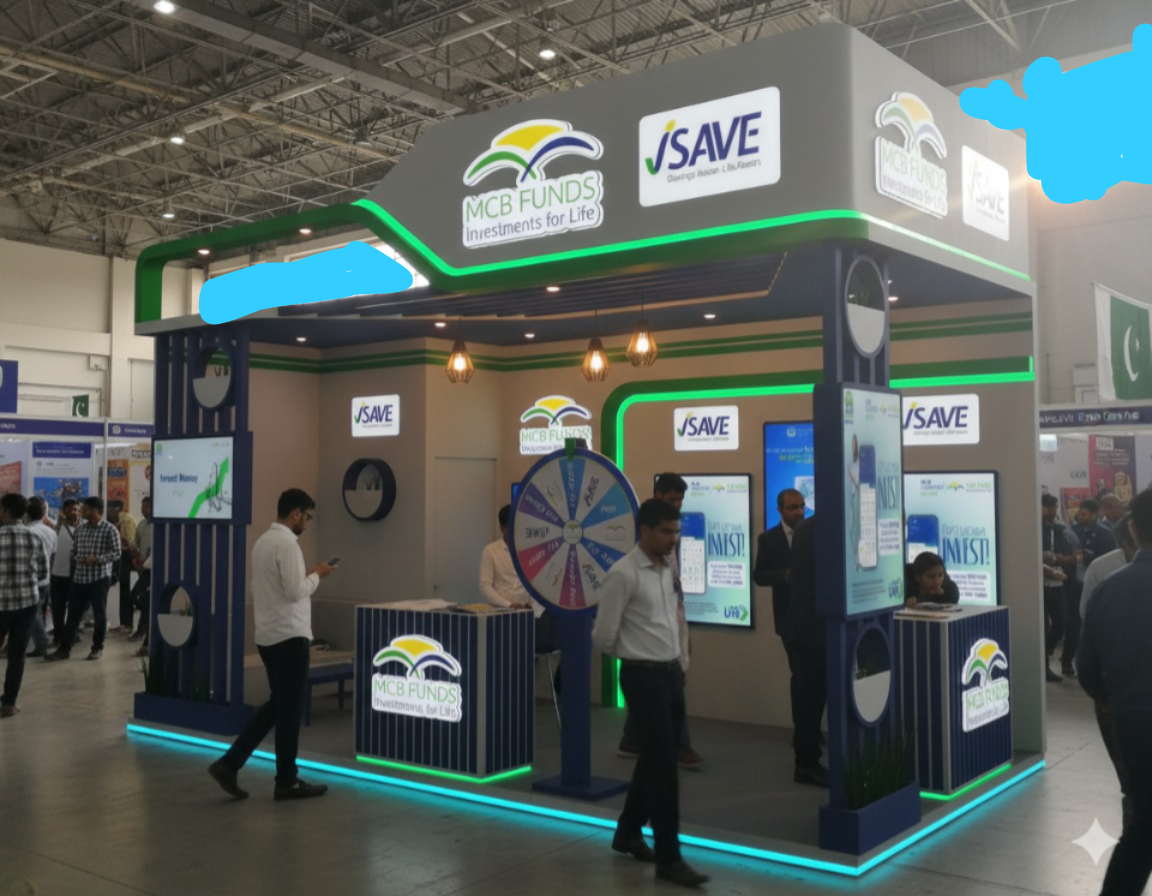
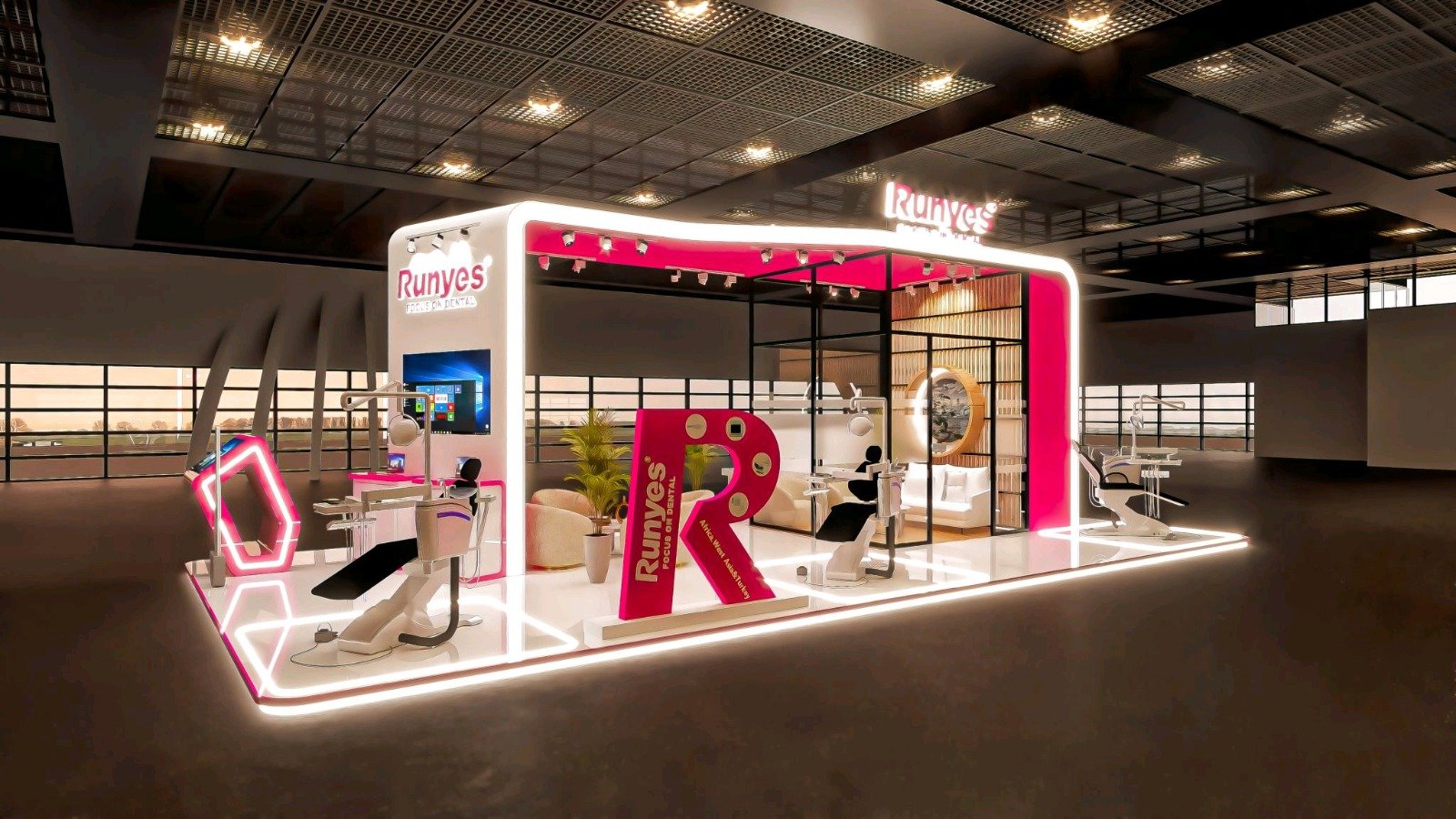
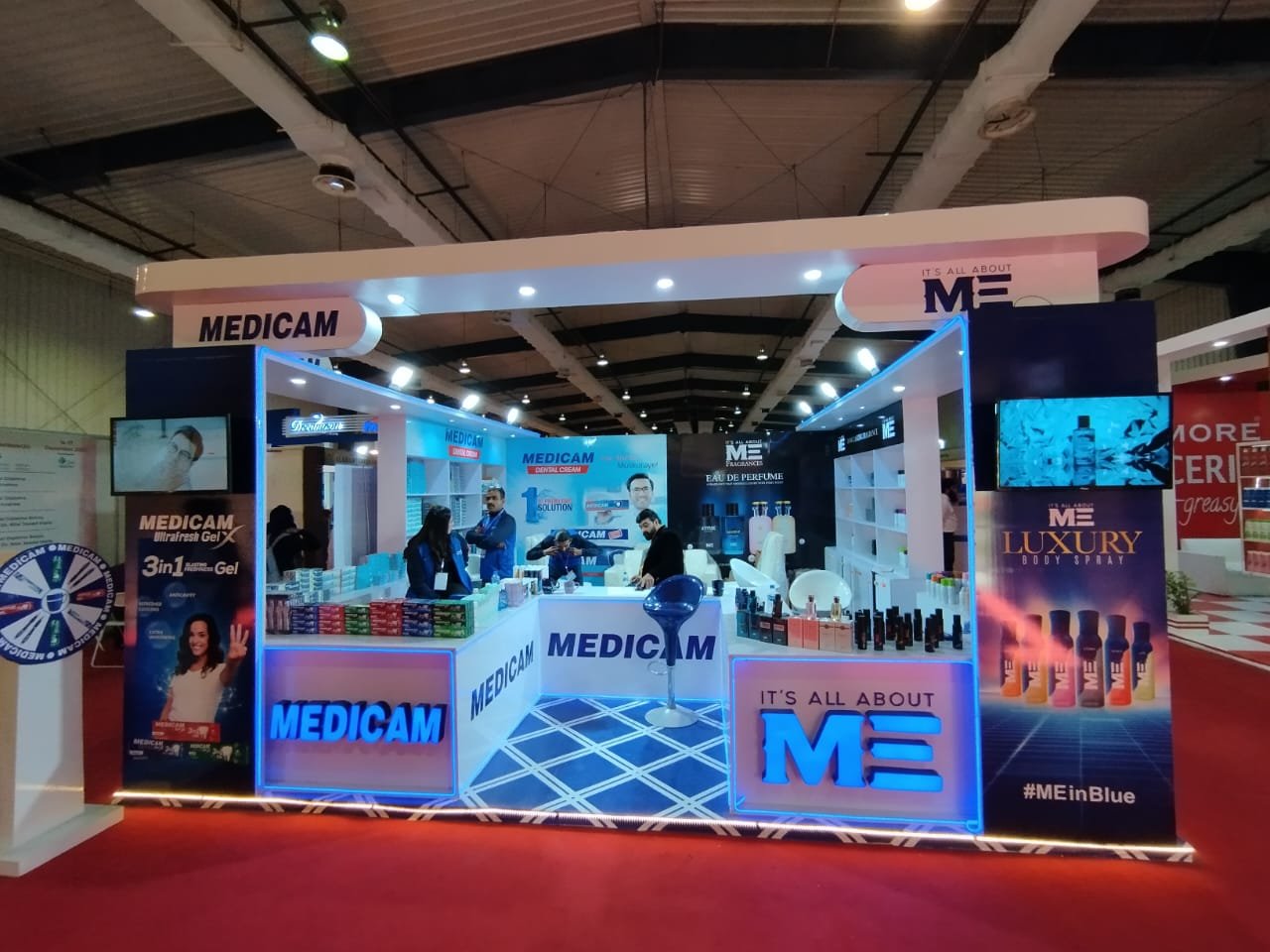
Core BTL Campaign Metrics to Track
BTL campaign metrics generally fall into three buckets, and a well-rounded report pulls from all three rather than leaning on just one.
Reach and footfall metrics
- Total footfall or attendee count
- Unique visitors versus repeat visitors at multi-day activations
- Social media impressions tied to the activation
Engagement metrics
- Average time spent at the activation or booth
- Participation rate in interactive elements (games, samples, demos)
- Direct interactions with brand representatives
Outcome metrics
- Leads collected (contact details, sign-ups, app downloads)
- Sales or conversions directly tied to the activation
- Post-event survey sentiment, when feasible
Calculating BTL Activation ROI
BTL activation ROI comes down to comparing total spend against the value generated, but the tricky part is capturing value that isn’t purely financial. Direct ROI is straightforward: total sales or leads generated, divided by the campaign cost. Indirect ROI is softer but still real, brand recall, social mentions, and earned media coverage all carry value even without an immediate transaction attached. A campaign with low direct sales but strong recall and reach can still be a win if brand visibility was the actual goal going in
Measuring Brand Activations Beyond the Activation Itself
To measure the success of a brand activation, it is important to look at the results after the event, not just what happened on the day itself. Check whether social media mentions increased, website traffic grew, or more people contacted your business because of the activation. A simple way to track success is to compare these numbers from two weeks before the event and two weeks after the event. This helps show the real impact of the campaign and whether it made a difference for the brand.
BTL Marketing KPIs Worth Setting Before You Launch
Creative event marketing inside a company comes down to one principle: employees engage with what feels different from routine. Wellness and mindfulness corporate programs, milestone celebrations, surprise recognition moments, and themed employee events all work because they break the pattern of a normal workday rather than replicating it with a different agenda. The format matters less than the element of surprise and the sense that the company put real thought into it, not just a recycled template.
BTL marketing KPIs work best when they’re set before the campaign goes live, not reversed from whatever data happens to be available afterward. A practical starting set:
- Footfall vs. target footfall: shows whether reach matched the plan
- Cost per lead or interaction: makes spend comparable across campaigns
- Engagement rate: separates passive crowd from active participants
- Conversion rate: ties the activation to actual business outcome
- Brand recall, measured via survey: captures impact that doesn’t show up in sales data
Setting these in advance also makes it much easier to compare one campaign against the next, since the same KPIs get tracked consistently rather than each report inventing its own scorecard
Common Measurement Mistakes to Avoid
A few patterns show up repeatedly in BTL reporting that quietly undermine the data:
- Counting total footfall as “engagement” when most people just walked past
- Skipping a baseline, so there’s nothing to compare post-campaign numbers against
- Measuring only the event day and ignoring the week or two afterward
- Reporting vanity metrics (likes, impressions) without tying any of them to the original campaign goal
How Brand Ambitious Approaches BTL Activation Measurement
A successful BTL Activation is not simply about creating excitement on the event day. True success comes from understanding how the campaign influenced customer behavior, supported business objectives, and contributed to measurable results.By tracking reach, engagement, outcomes, and BTL activation ROI, businesses can gain a clearer understanding of campaign performance and continuously improve future activations.
The more effectively you measure your campaigns, the easier it becomes to optimize budgets, strengthen customer relationships, and achieve lasting brand success through meaningful audience engagement.
And it is the branding success of the employees to begin a new journey in their office